
Saladin Citadel in Cairo: Complete Tourist Guide 2025
Introduction to Saladin Citadel
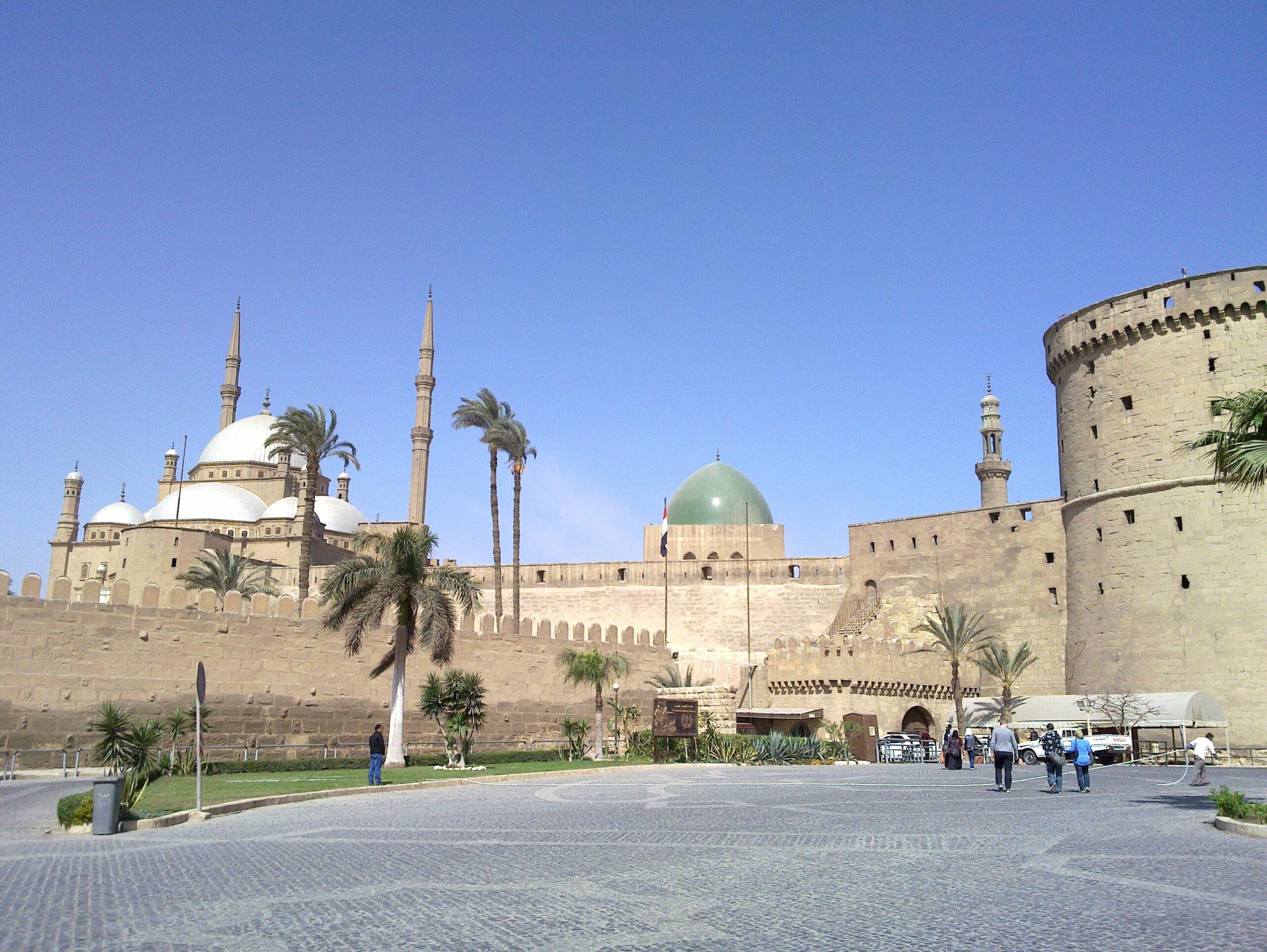
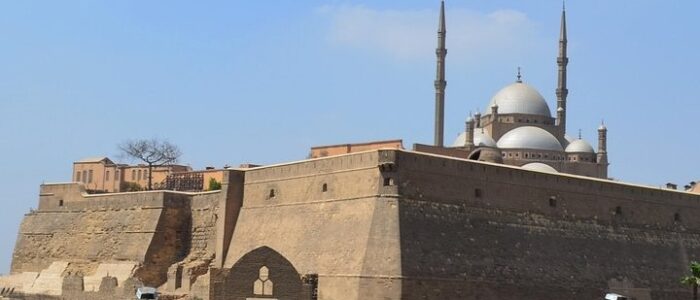
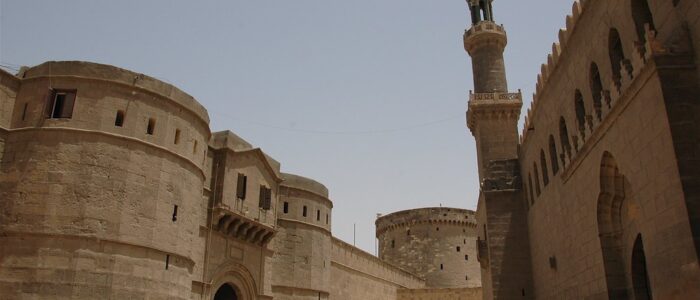
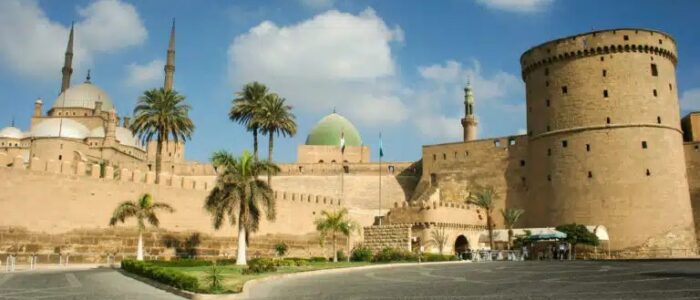
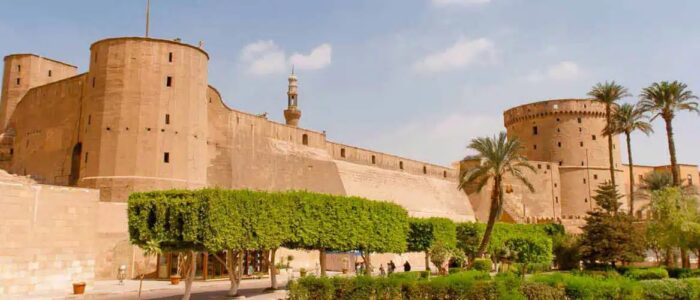
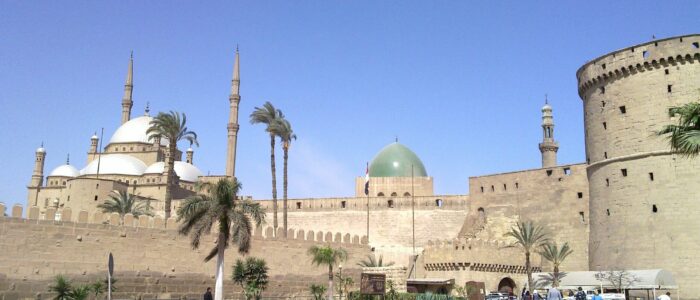
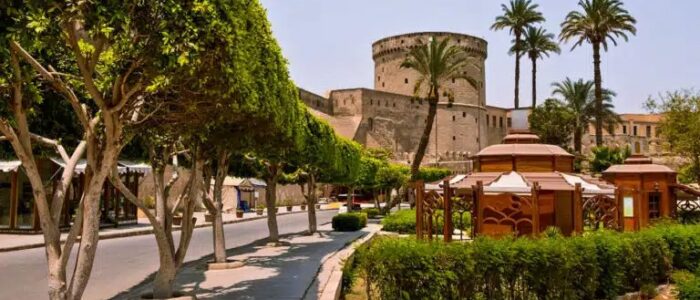
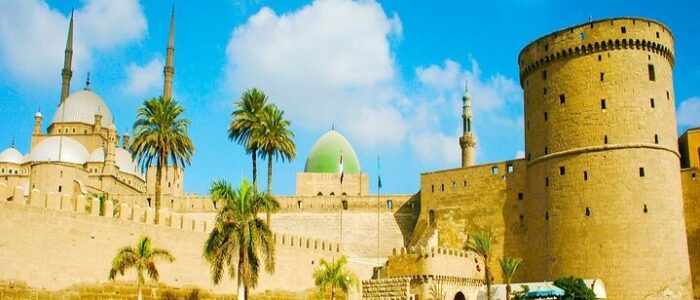
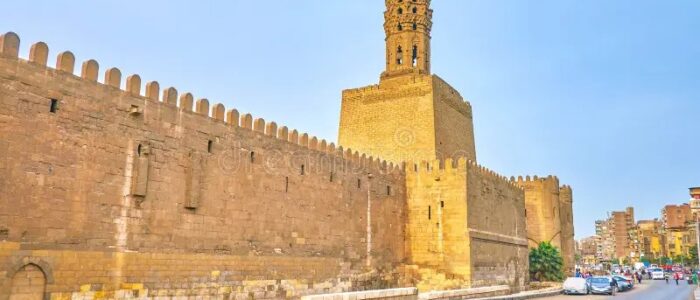
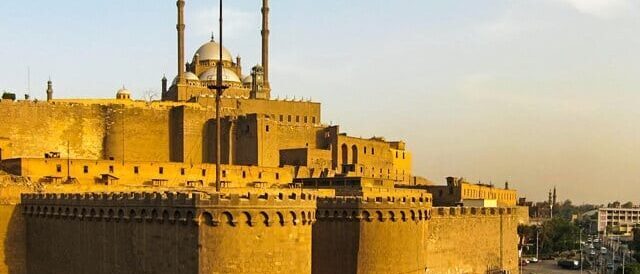
The Saladin Citadel, perched on the Mokattam Hills, is Cairo’s iconic medieval fortress. Built between 1176 and 1183 CE by Sultan Saladin, it served as Egypt’s seat of power for nearly seven centuries. Its strategic location provides panoramic views of Cairo, including the Nile River and the Pyramids of Giza. Visitors can explore fortified walls, historic streets, and discover the rich stories of rulers and dynasties that shaped Egyptian history.
Mosques and Museums Highlights
Muhammad Ali Pasha Mosque
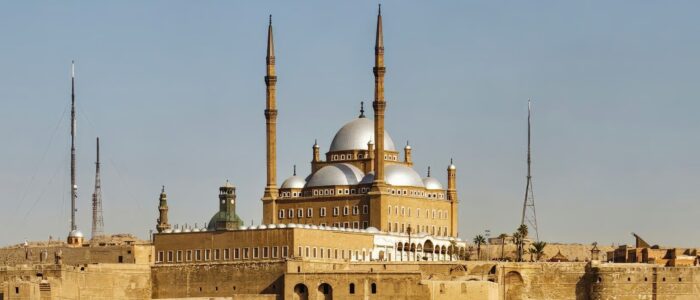
Also known as the Alabaster Mosque, built between 1830–1848. It features twin minarets, a 52-meter-high dome, and a capacity for 10,000 worshippers. Its Ottoman design and grand interior make it a Cairo landmark.
Tickets: EGP 140 for foreigners, EGP 20 for Egyptians & Arab tourists
Al-Nasir Muhammad Mosque
Dating from the 14th century, this mosque displays Mamluk architectural brilliance with its courtyard and reused ancient columns. It remains a symbol of medieval Islamic architecture in Cairo.
Tickets: EGP 140 for foreigners, EGP 20 for Egyptians & Arab tourists
Military Museum
This museum displays Egypt’s military history, from medieval to modern times. Exhibits include weapons, uniforms, and documents, offering a deep dive into the nation’s defense heritage.
Tickets: EGP 140 for foreigners, EGP 20 for Egyptians & Arab tourists
Police Museum
Explore the evolution of Egypt’s police force through historical uniforms, vehicles, and tools. A fascinating look at law enforcement in Egypt’s history.
Tickets: EGP 140 for foreigners, EGP 20 for Egyptians & Arab tourists
Al-Jawhara Palace Museum
Housed in the 19th-century Palace of Jewels, it showcases royal artifacts and Ottoman-style interiors. A testament to the grandeur of Muhammad Ali’s dynasty.
Tickets: EGP 140 for foreigners, EGP 20 for Egyptians & Arab tourists
Historical Timeline & Highlights
12th Century – Saladin Construction
Built between 1176–1183 CE by Sultan Saladin to defend Cairo from Crusaders. Established as the administrative and military center for the Ayyubid dynasty.
13th Century – Ayyubid Enhancements
The Ayyubids reinforced fortifications, expanded walls, and ensured the Citadel could resist future threats. Sultan al-Kamil completed major constructions by 1238.
14th Century – Mamluk Contributions
Mamluk rulers added mosques, palaces, and additional defenses. Sultan al-Nasir Muhammad played a key role in expanding the Citadel’s military and ceremonial buildings.
19th Century – Muhammad Ali Renovations
Muhammad Ali Pasha rebuilt key structures, including the Alabaster Mosque and al-Gawhara Palace, shaping the Citadel into its current 19th-century Ottoman-influenced appearance.
Visitor Tips & Accessibility
Wear comfortable shoes and bring a light jacket as the museum is air-conditioned. Wheelchairs are available, and the main galleries are accessible. Guided tours are offered at EGP 300–450 ($20–30 USD) for standard and extended tours. Early morning or late afternoon visits provide the best lighting and city views. Photography is allowed with mobile phones only.
Strategic Importance & UNESCO Status
The Citadel served as Egypt’s seat of power for nearly 700 years and witnessed key historical events. Its hilltop location offered defense against invaders and panoramic views of Cairo. Declared a UNESCO World Heritage Site in 1976, it remains a symbol of medieval Islamic architecture and a must-visit historical landmark in Egypt.